Choose a meaning
Use a number because it belongs to your story—a date, a cabin, a song, a family tradition, or a sequence you keep in your journal. Meaning can steady your attention; it cannot command a random outcome.
THE COSMIC LEVEL DECK
Aboard the SS SS, luck is part mathematics, part memory, and part the little ritual that helps you arrive at the table awake. Scooter brings the captain’s hat, the pirate’s curiosity, and a journal full of numbers that mean something to the person holding them.
Enter the ritual ↓
THE IDEA
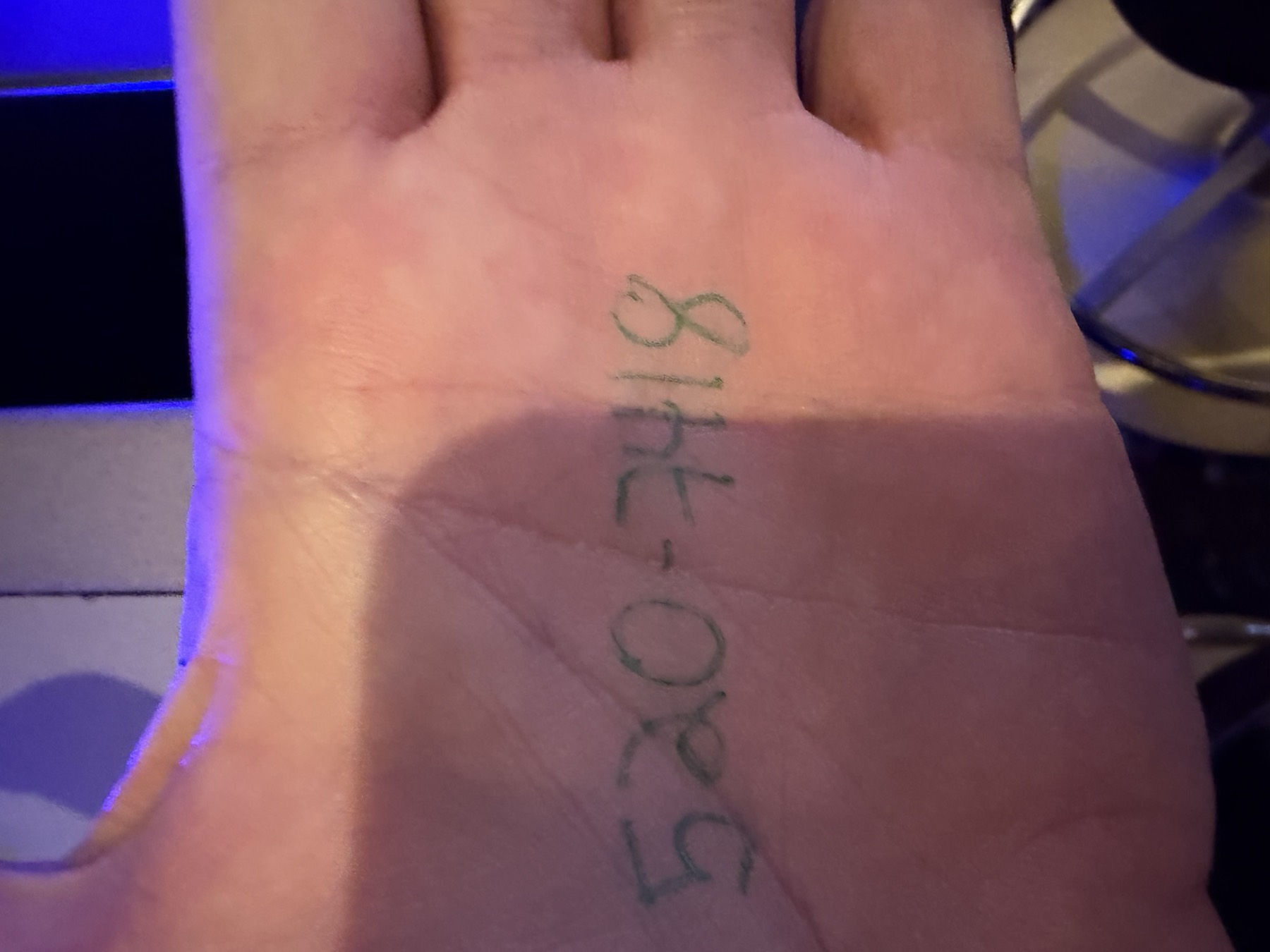
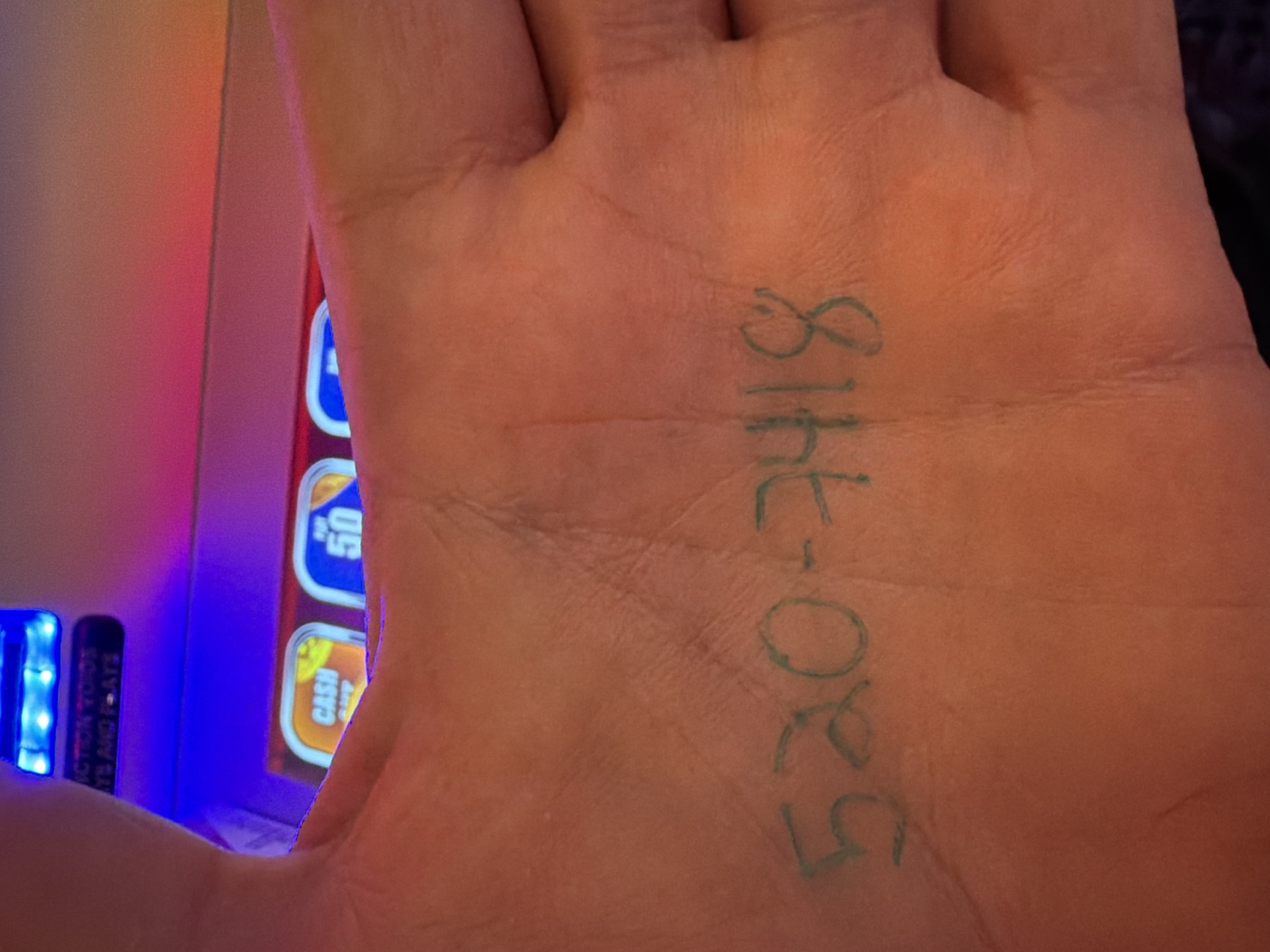
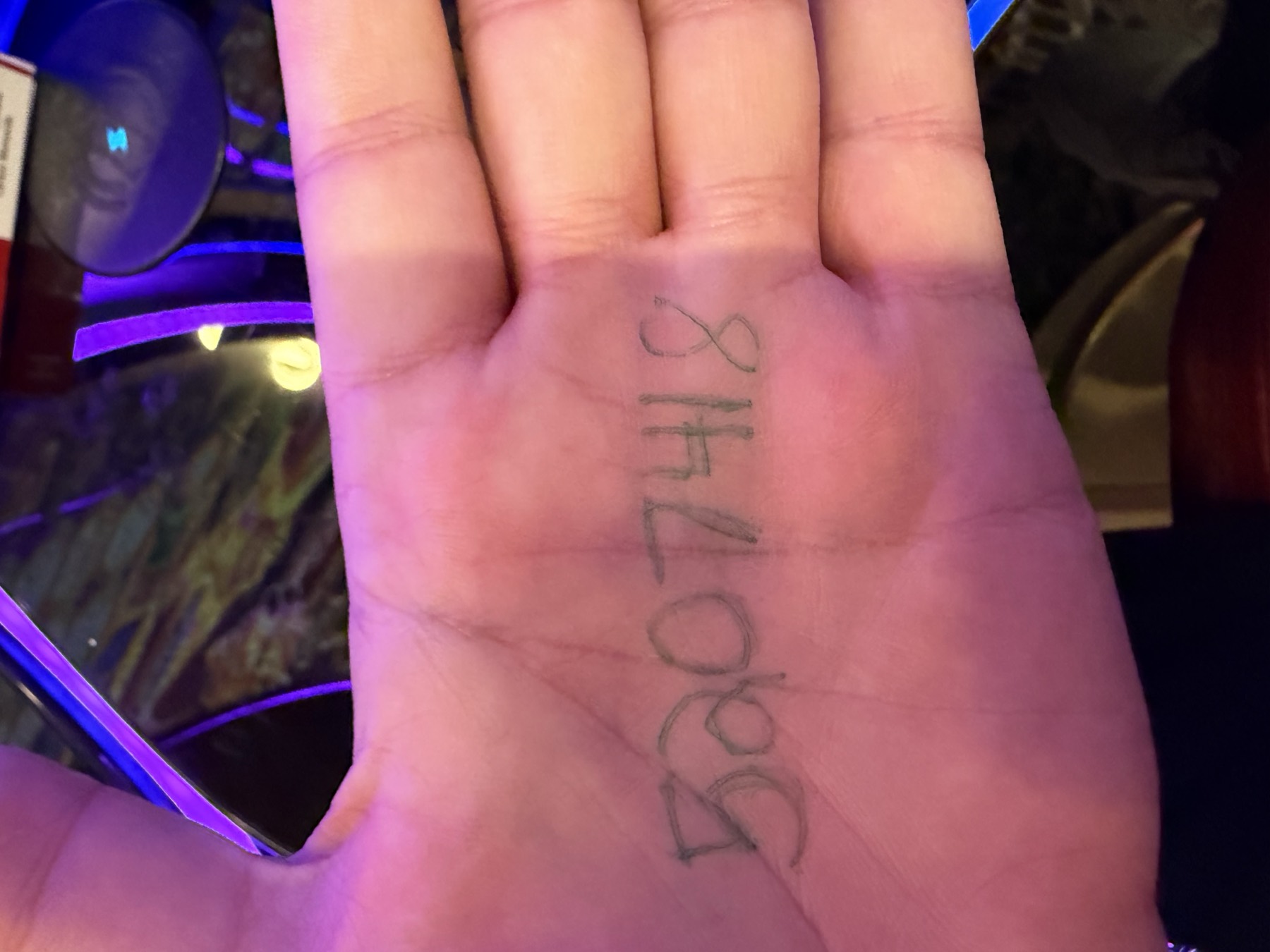
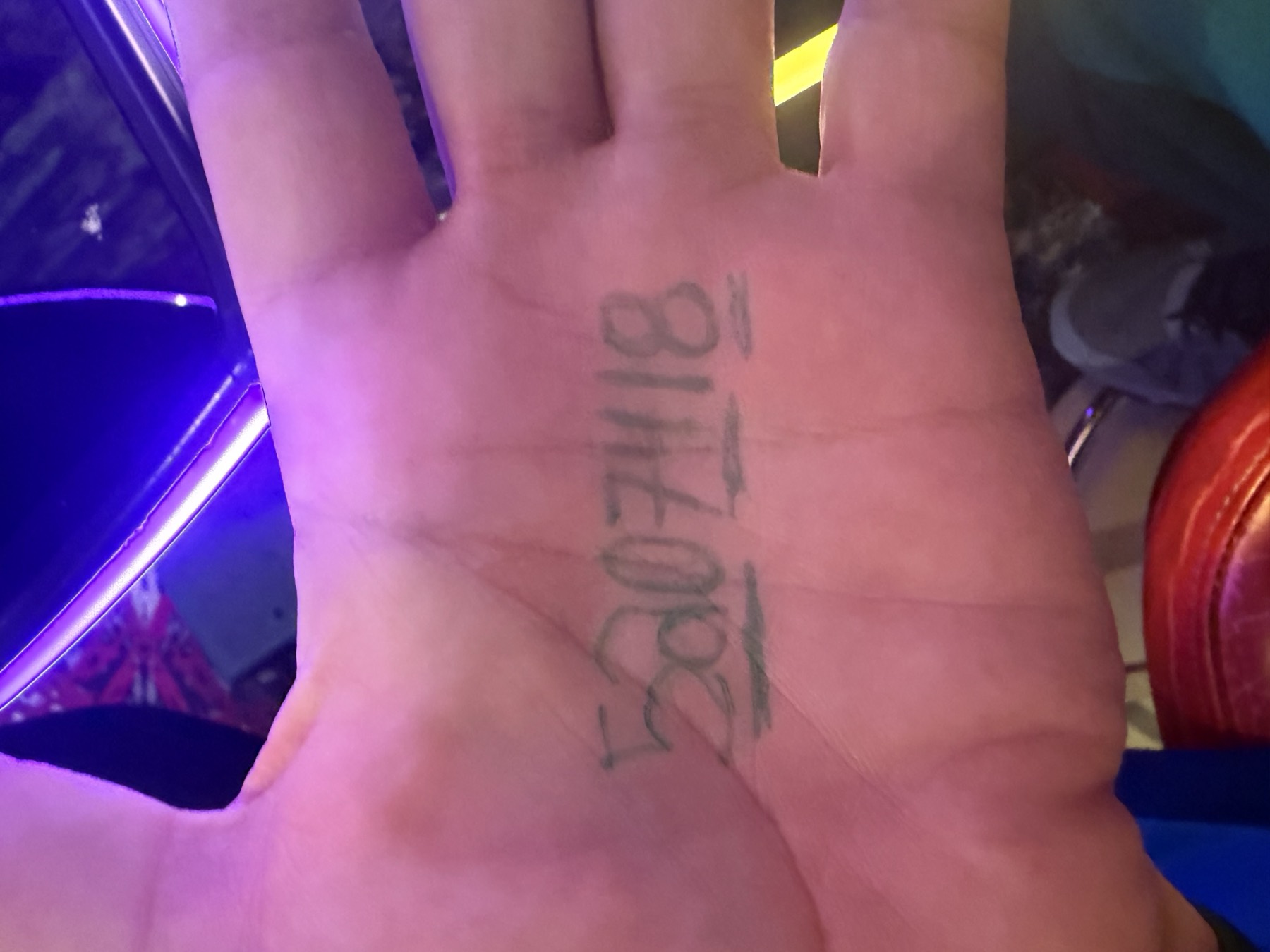
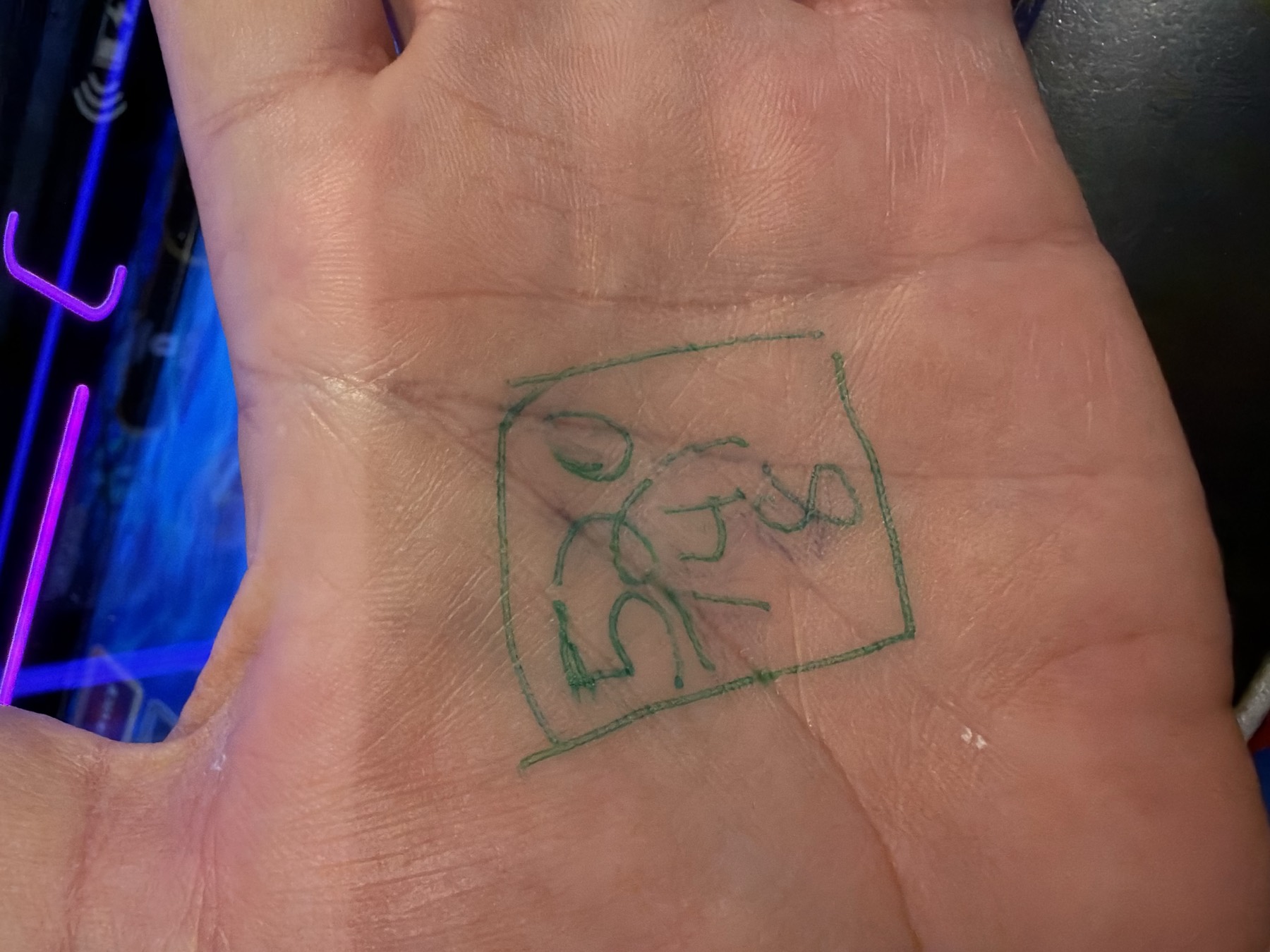
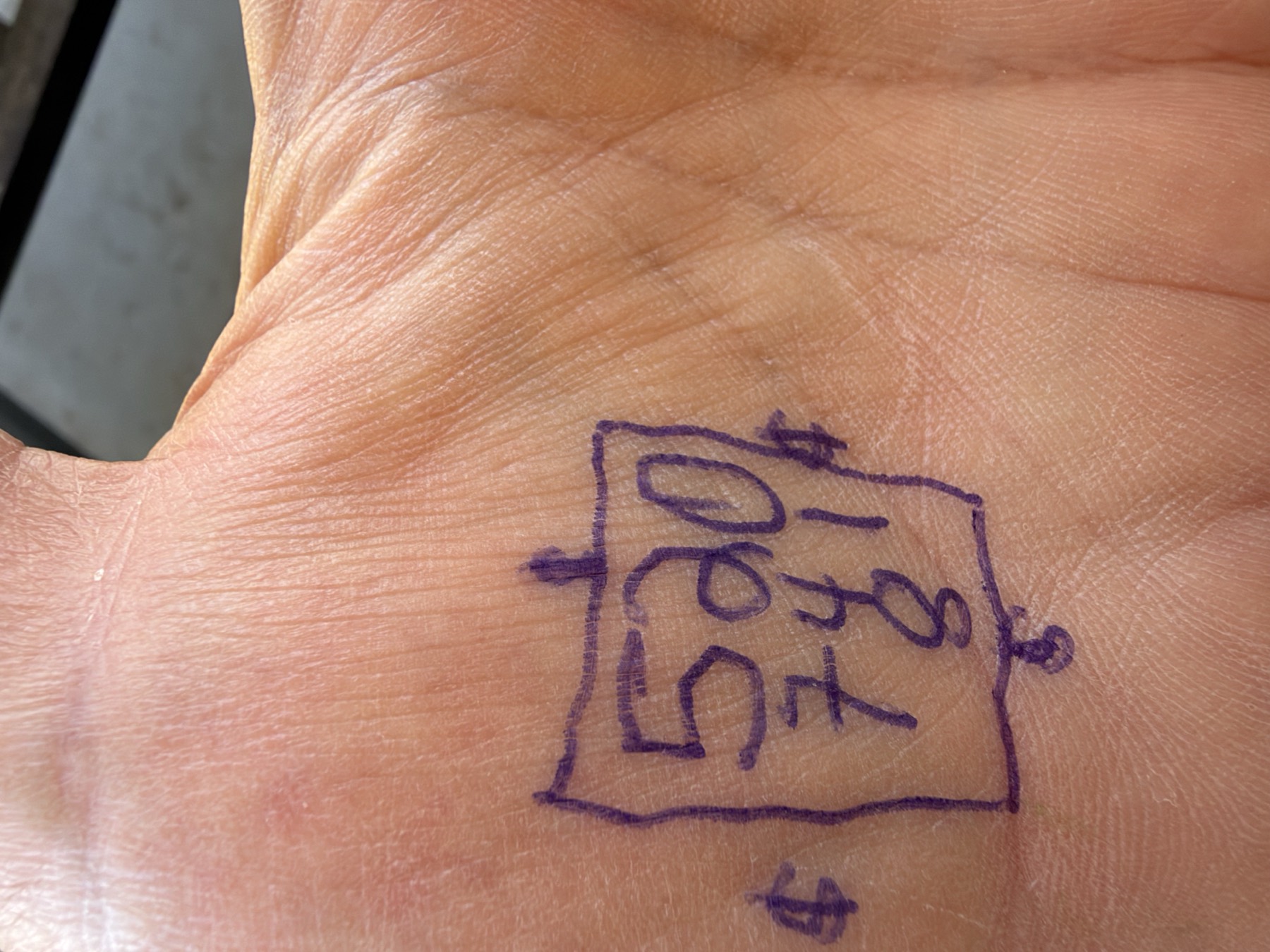
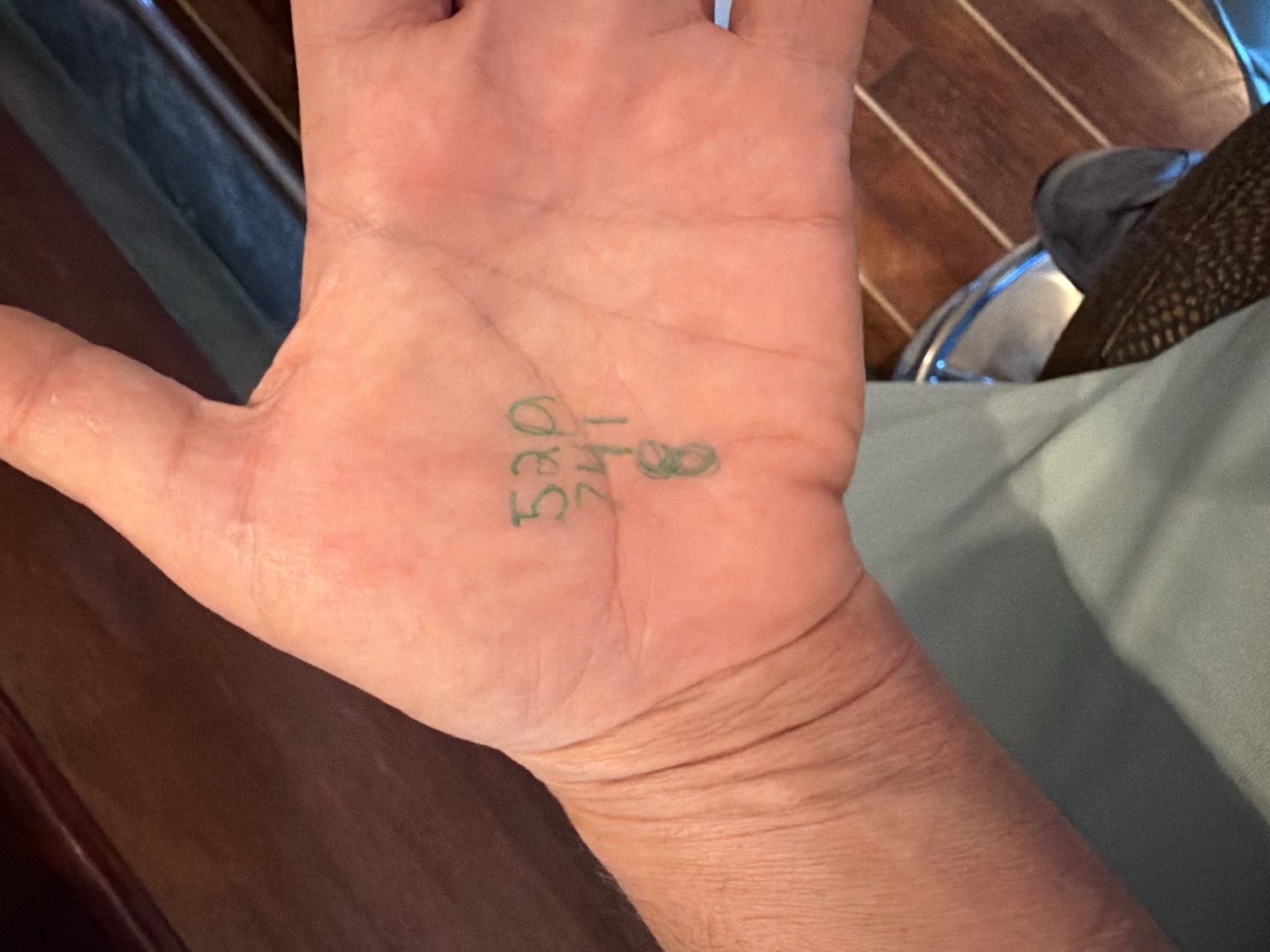
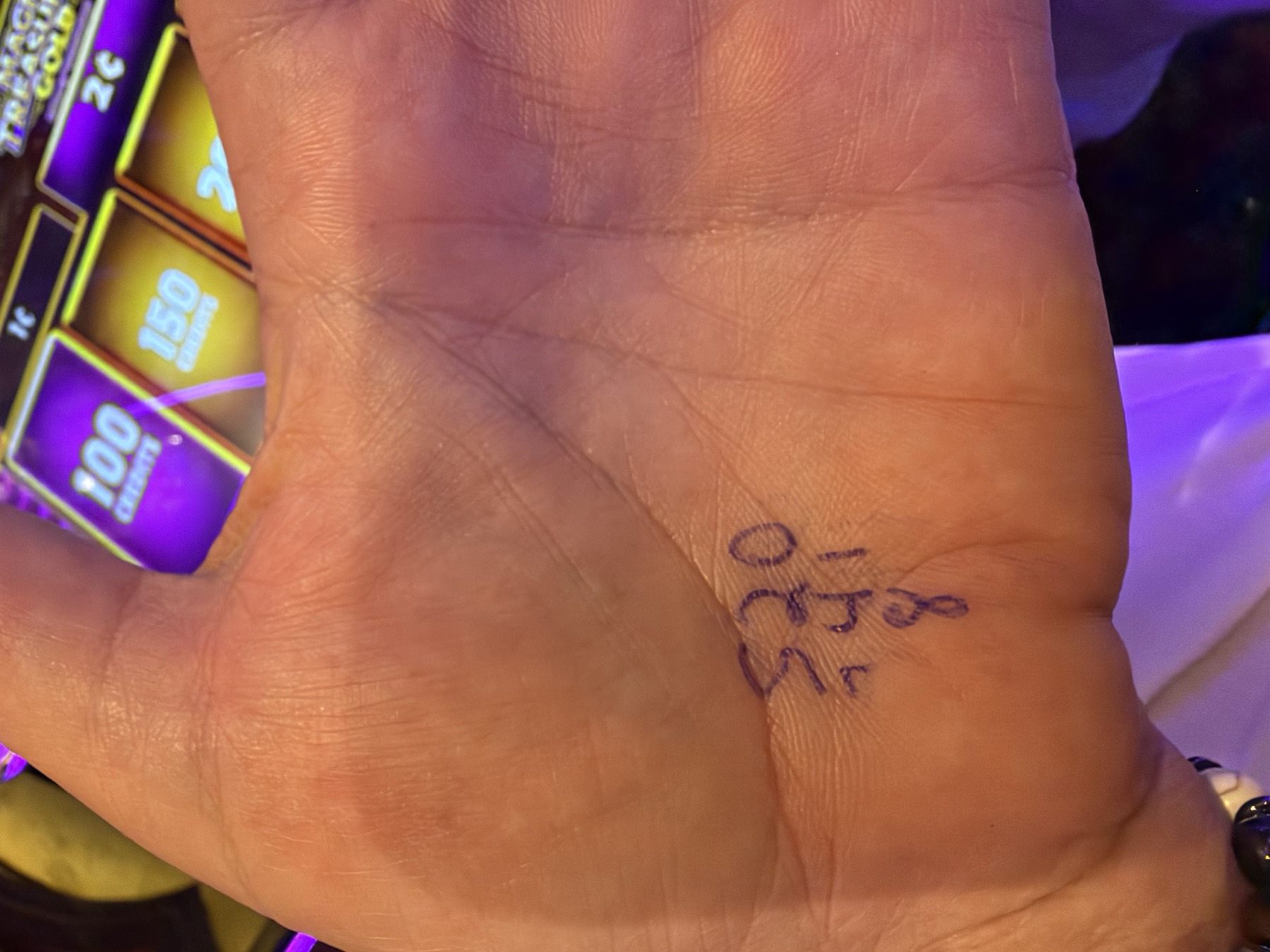
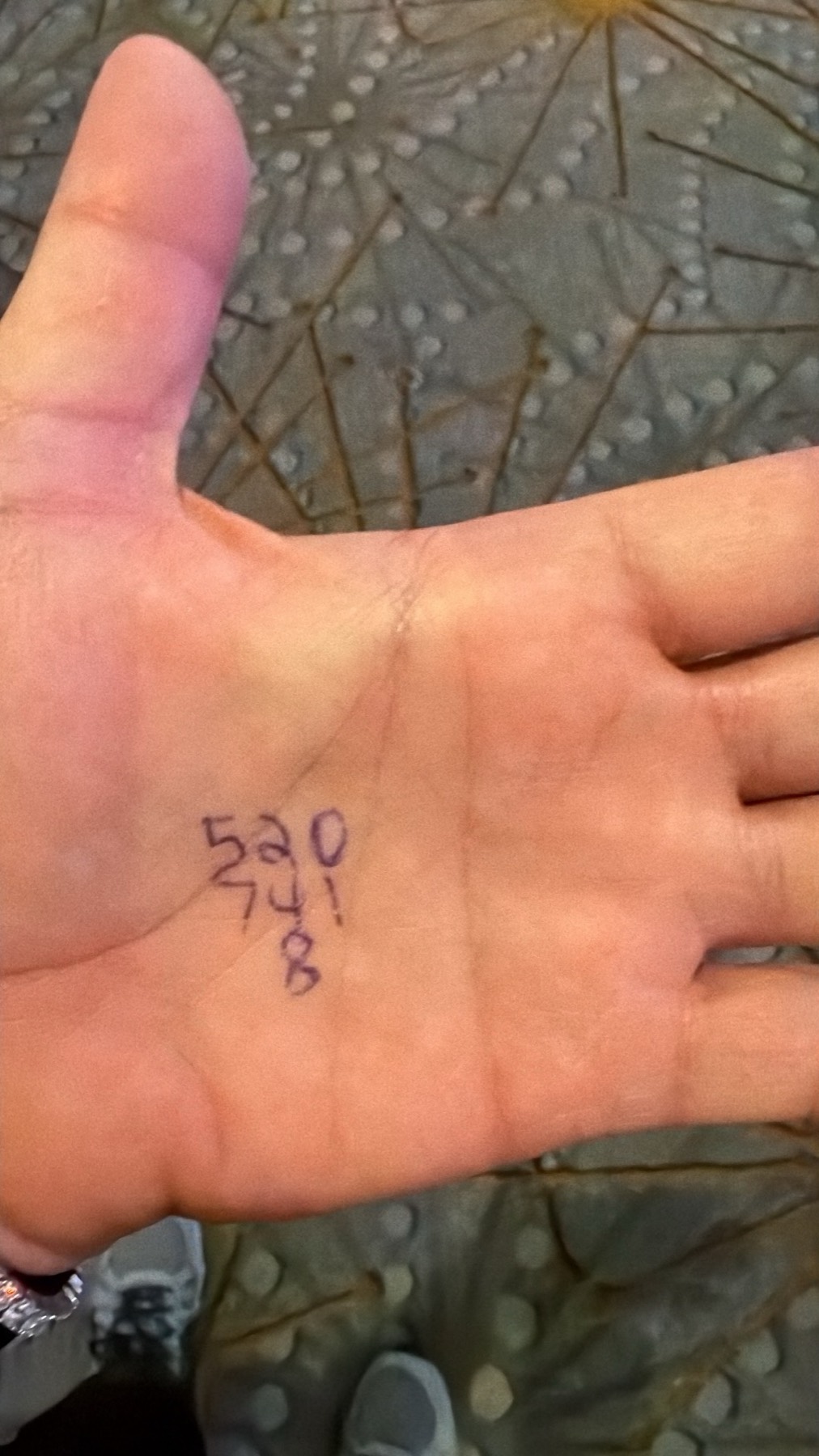
Every player carries a private weather system into a casino: a birthday, a favorite number, a song that arrived at the right moment, or a superstition inherited from somebody who swore it had saved the night. Scott’s own practice includes handwritten number sequences associated with Grigori Grabovoi, the modern spiritual system often described as “Grabovoi numbers.”
That practice can be meaningful as a focus ritual. The evidence does not show that a sequence changes a random game’s probability, and an anecdote is not a controlled study. Scott reports that 38 people in his circles have tried numbers he shared and told him they had good results; the site records that as a personal report, not a promise or a verified success rate.
SCOOTER’S RULE
“Raise your cosmic level if it helps you pay attention. Never raise the wager just because the room feels magical.”
Here, “cosmic level” means the quality of your attention: breathe, know your limit, read the rules, and stay able to walk away.
THE FOUR-PART RITUAL
Use a number because it belongs to your story—a date, a cabin, a song, a family tradition, or a sequence you keep in your journal. Meaning can steady your attention; it cannot command a random outcome.
Before the lights and music do their work, write the total entertainment amount, the time you will stay, and the condition that ends the session. A ritual is stronger when it protects tomorrow.
Read the paytable and displayed rules. Notice the denomination, the cost of a play, and the feature conditions. Let the superstition add atmosphere while the rules supply the facts.
Record what happened without rewriting it. A win is a memory, a loss is information, and neither one proves that a number controls the next result. Stop when your own rule says stop.

THE SHIPBOARD SUPERSTITION CABINET
Some people wear the same color, enter through the same door, tap the rail before a session, or wait for a favorite song to play. Those details can make a night feel ceremonial and help a player notice their own state of mind. They should remain optional, inexpensive, and easy to abandon. If a ritual demands extra money, secrecy, chasing, or a promise that a machine is “due,” it has stopped being a harmless superstition and started making the decision for you.
Scooter’s captain version is simple: use the ritual to arrive, use the rules to decide, and use the stop plan to go home.
Read the class on random outcomes →SCOTT’S PERSONAL ARCHIVE
These photographs show a personal practice, not a universal code. The exact sequence in each image is left in the image itself so the journal remains an honest record rather than a polished claim.
THE LAST WORD FROM SCOOTER
Bring your lucky number, your favorite hat, and your best story. Bring a limit too. The casino can provide suspense; it cannot provide certainty. The night is still yours when you walk out with the budget, the memory, and the ability to tell the truth about both.