WHEN THE ITINERARY CHANGES
A Reservation Cannot Command the Sea
The weather chapter of Smooth Sailing puts the part I can control beside the part no passenger can.
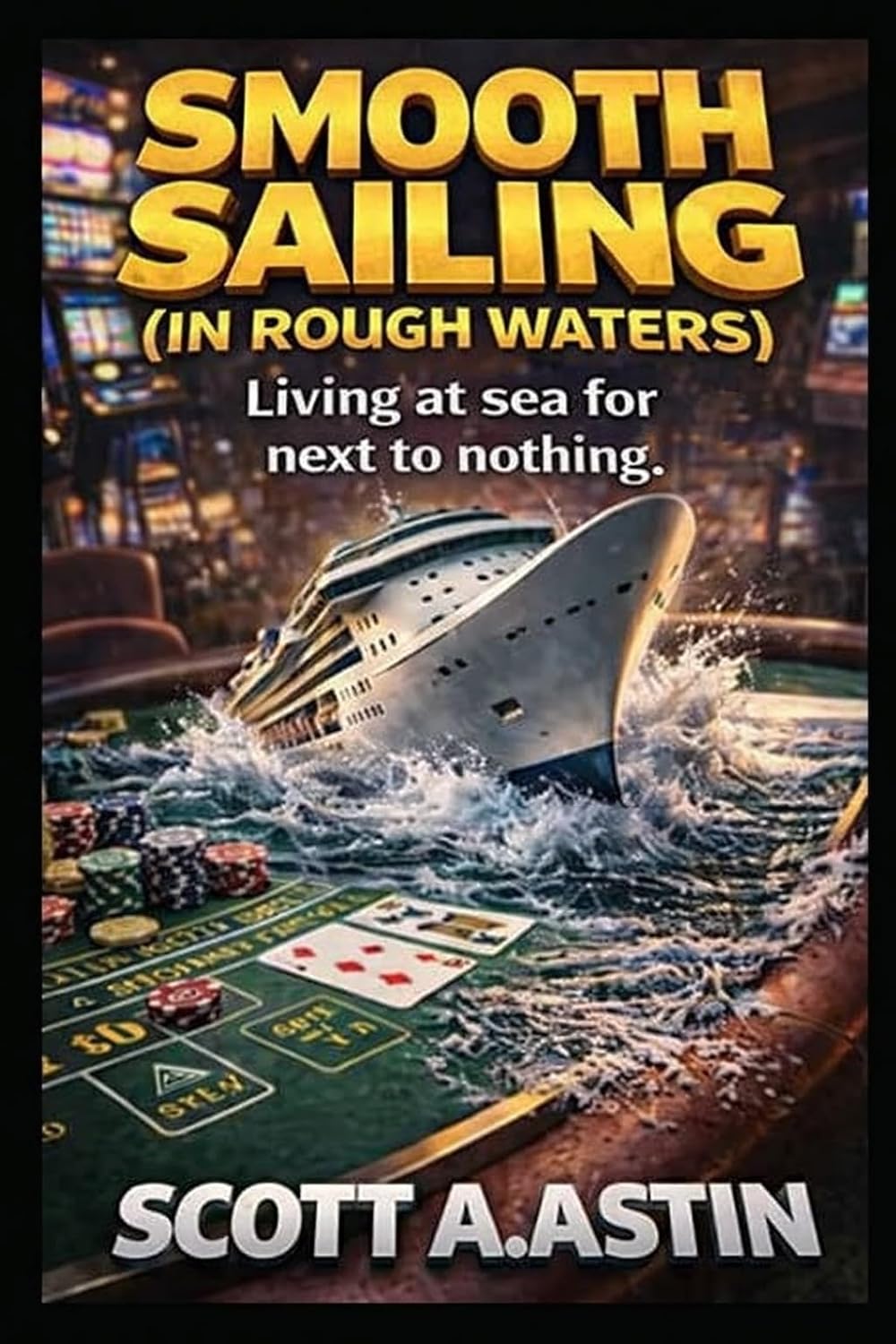
The easy version of a cruise story begins with the itinerary and ends exactly where the brochure promised. My book has a chapter for the days that refuse to follow that script. Ships are impressive, but weather, ports, and wider events can still change the route.
When conditions change, I have to stop treating the printed plan as an order. I can check the crew’s instructions, protect the work and health arrangements that matter, and let a missed stop remain a missed stop rather than letting it ruin the whole voyage.
That is why I think of a difficult sailing as a balance sheet with more than dollars on it. The useful outcome is not proving I can force the old schedule back into place. It is arriving at the next day with enough time and energy to enjoy where the ship actually went.
THE STORY BENEATH THE STORY
What the moment reveals.
Chapter 16 of Smooth Sailing treats weather as part of the real balance sheet. The question is what happens to health, work, time, and the rest of the voyage when an itinerary changes.
The cover art dramatizes rough water; the chapter’s teaching is quieter. Preserve the larger journey by following the crew’s direction and adjusting the plan that was still under your control.
Scooter gives this moment a soundtrack for the moment a changed route requires a fresh plan: “Tubthumping” by Chumbawamba .
FROM SMOOTH SAILING (IN ROUGH WATERS) · CHAPTER 16
The Real Balance Sheet · Weather and the Unexpected
“On the travel side, ships are marvels of engineering, but they’re still at the mercy of weather, ports, and global events.”
Scott places changed itineraries and storms alongside the practical preparation that makes a long stay workable. His chapter describes insurance, prescriptions and planned appointments as part of the life, rather than matters to postpone indefinitely. The point of this passage is preparedness: a reservation does not control the sea, and an attractive itinerary still needs room for disruption. When conditions change, preserving the wider voyage matters more than forcing the day to match its original plan.
Explore Scott’s book →
CONTINUE THE STORY
The rest of the voyage still matters.
The rough-water guide sets out the practical response to changed conditions. Smooth Sailing explains why the wider balance of work, health, and time belongs in that decision.