
SCOOTER EXPLAINS SCOTT’S METHOD
Volatility and the Shape of a Session
The handbook makes volatility a condition to plan around. Smooth Sailing explains what that looks like aboard: dramatic Link-family games may be entertaining, but Scott does not make them the backbone of his cruise-fuel system.
Adapted from Scott A. Astin’s Slot Machine Advantage Players Handbook and Smooth Sailing in Rough Waters. The chapter and profile references are below.
THE SESSION EXPERIENCE · FROM SCOTT’S FRAMEWORK
Volatility describes the ride, not what the next spin owes
Some designs concentrate more of their return in larger, less frequent events. That can create longer quiet stretches.
The right exposure is one that does not require a feature to rescue the budget or mood.
A quiet run can feel dramatic without showing that a future award is becoming due.
The game characteristic informs the boundary; it never replaces it.
Do not assign a volatility label to a cabinet from one personal session. Use the handbook profile and the current game information where available.
01 · THE METHOD IN PRACTICE
Read the ride before buying it
Scott’s handbook distinguishes medium, high and very-high volatility across its profiles. Large, infrequent features can produce a long quiet stretch. The room may make that stretch feel like a buildup, but the introduction explicitly rejects an obligation for past patterns to continue. Choose a pace you can tolerate without needing a feature to rescue the session.
02 · THE METHOD IN PRACTICE
Keep the probe small and intentional
In Smooth Sailing, Scott still applies his $40 probe and daily cap when he tries a dramatic game. If the first test produces nothing he wants to continue with, he moves on. The handbook’s broader rule is tighter limits, fewer attempts and faster exits in volatile environments. The test is bounded before the excitement arrives.
03 · THE METHOD IN PRACTICE
Separate entertainment from the fuel plan
A large progressive may be fun to watch without being the right place to pursue a cruise objective. Scott judges the experience against the whole sailing: money, time, offers and how he feels when he leaves. If continuing requires an argument about what the game “should” do next, the conduct-based advantage has already been lost.
FROM SCOTT’S OWN WORDS
“Volatility is a property of games, not a signal.”
— Scott A. Astin, The Slot Machine Advantage Players Handbook
Next lesson: RTP: What It Means—and What It Does Not →Return to the complete learning path →THE TEACHINGS BEHIND THIS LESSON
Read the source passages
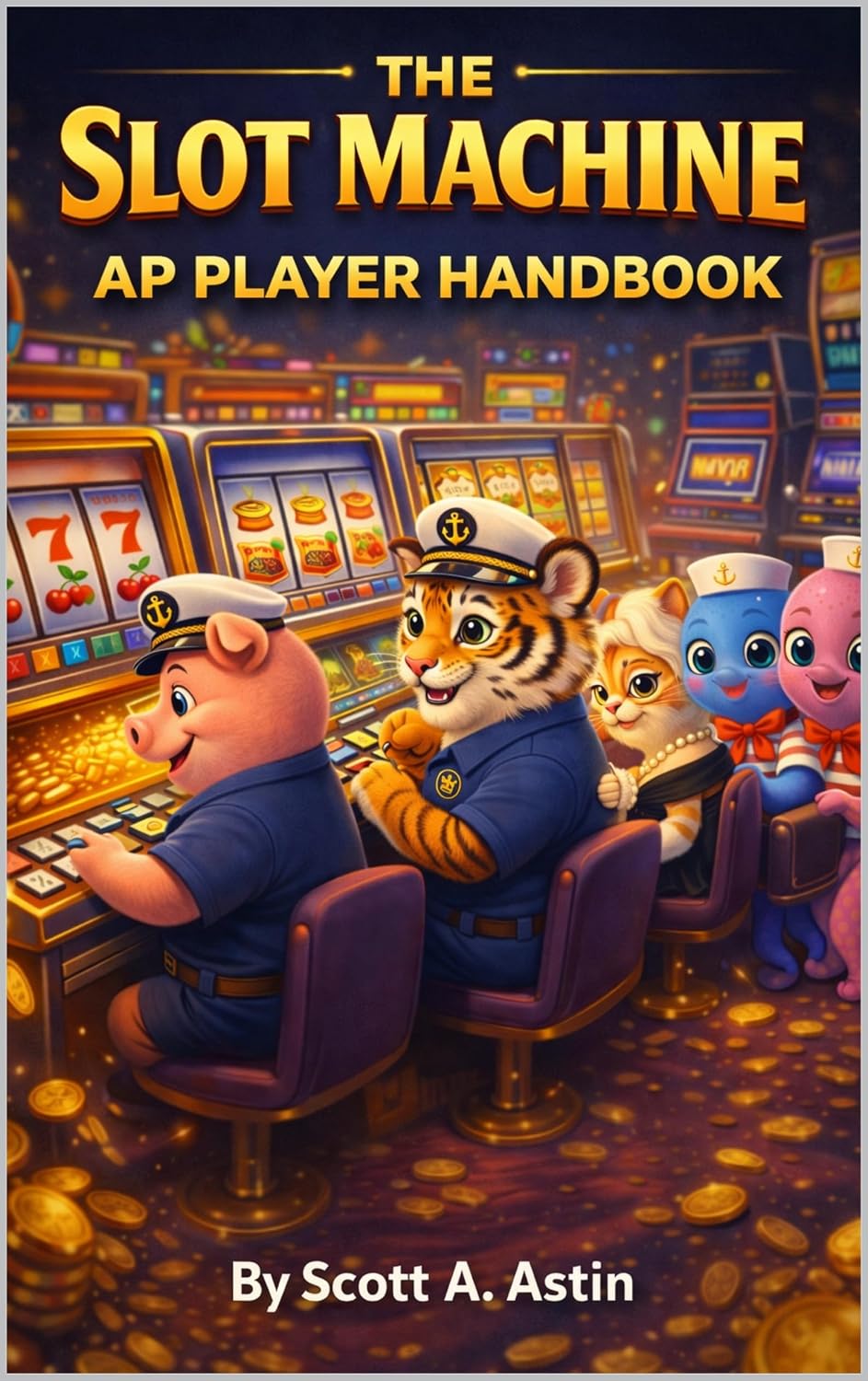 The Slot Machine Advantage Players HandbookIntroduction; Chapter 4 · When Advantage Play Applies; volatility fields in the profiles→
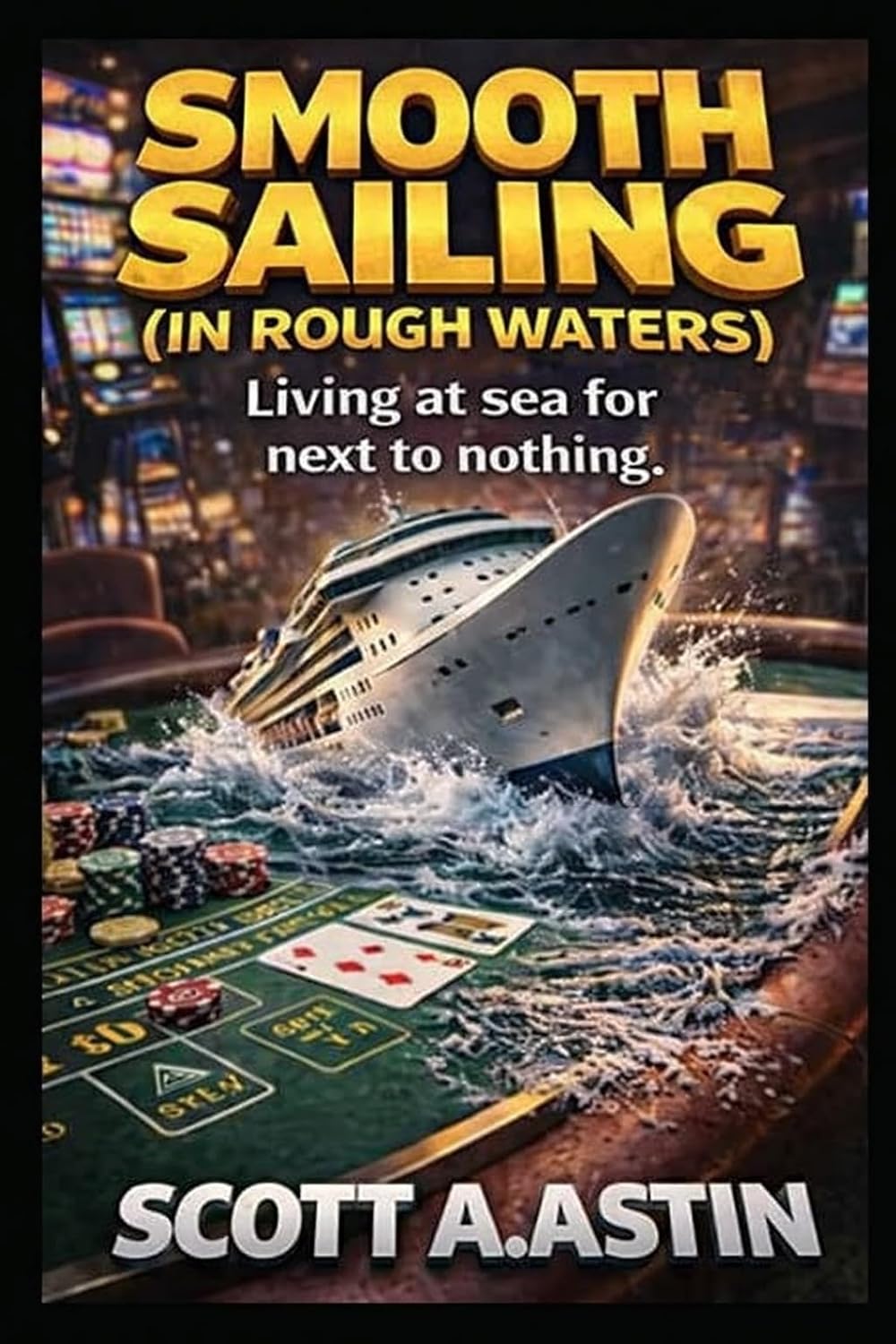 Smooth Sailing (In Rough Waters)Chapter 5 · Avoiding High-Volatility Traps→
Dollar amounts, point thresholds, offer examples and routines describe the books’ examples and Scott’s personal experience. Check the actual game and current sailing terms before applying them.