Start with one establishing view
The visitor should know where the story begins.
FROM SMOOTH SAILING · LIFE AT SEA
Keep memories without watching the voyage through a screen.

FROM SMOOTH SAILING (IN ROUGH WATERS) · CHAPTER 14
“A ship is a floating village. The cast changes every week, but the rhythm doesn’t.”
In Scott’s account, community forms in ordinary shared places: elevators, buffets, casino aisles, pool chairs and lounges. Most exchanges are brief, but their repetition gives a long stay its human shape. He writes about passengers who disappear after one sailing and others who recognize him years later. The useful distinction is between collecting activities and allowing room for contact. A conversation, a shared joke or a familiar greeting can be the part of the voyage that survives long after the itinerary.
Explore Scott’s book →A PHOTOGRAPH PROVES PLACE; A STORY EXPLAINS WHY IT MATTERED
The photo journal works when each image carries a real highlight: a canal, a bridge, a garden, a piece of art, a view, or the person who made the moment memorable. Technical labels and catalog counts cannot do that work for the visitor.
My simple record is one wide image to establish the place, one detail that carries the feeling, and one honest sentence about what changed or surprised me. Then the device goes away long enough for the moment to become more than its file name.
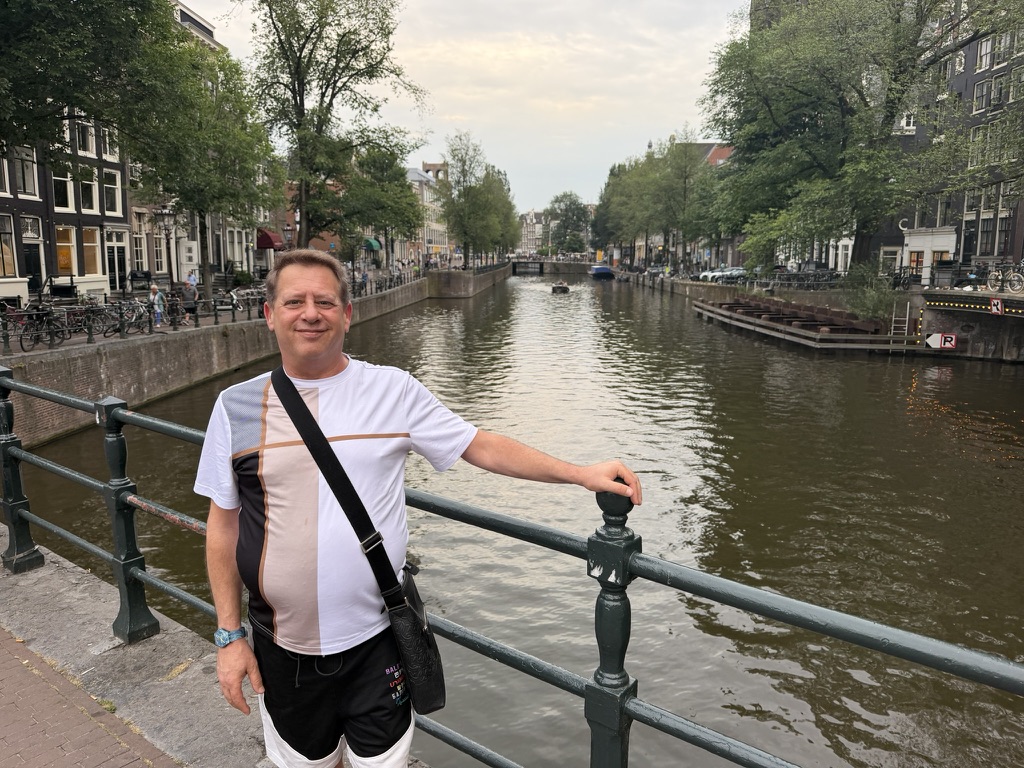
The visitor should know where the story begins.
A fountain, façade, artwork, plate, or piece of weather can make the memory specific.
Name the highlight and why it stayed with you; do not pad it with generic travel adjectives.
Names, faces, and private moments require permission and judgment.
WHERE THE PERSONAL ROUTINE ENDS
Venue rules, private people, sacred spaces, and unsafe situations may limit photography. A meaningful caption never requires inventing facts that the image cannot establish.
SCOTT’S TAKEAWAY
Save enough to remember and leave enough attention to have lived it.Continue the life at sea storyThink Like a Permanent Passenger→